
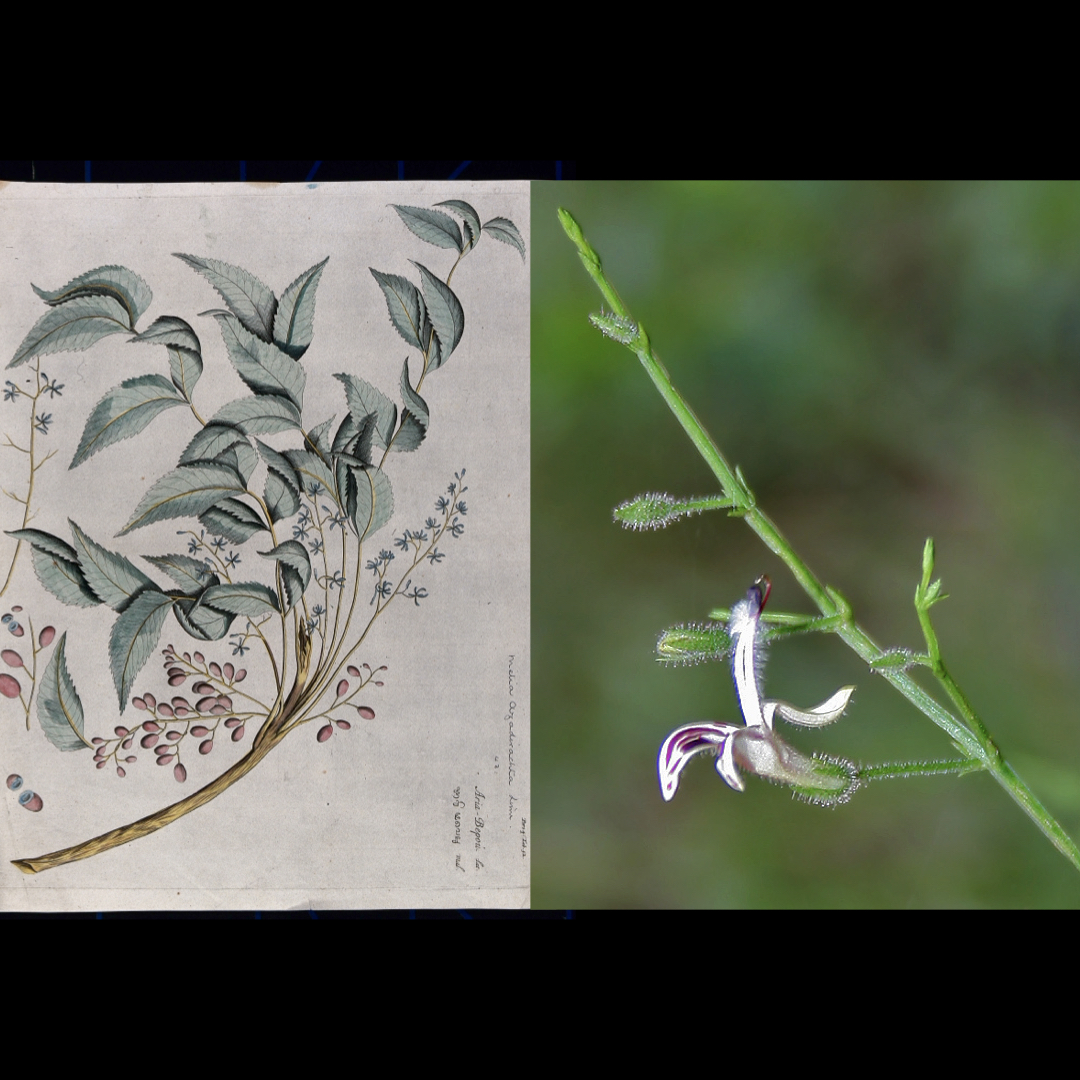
Image : Andrographis paniculata and Azadirachta indica provide the clearest evidence among the studies for interventions initiated after cisplatin exposure.
Withania somnifera and Cisplatin
Rasheed et al. (2025) — Acute Kidney Injury
Study: Protective Effects of Withania Somnifera Against Cisplatin-Induced Acute Kidney Injury in Rats: A Histomorphometric Analysis.
DOI: 10.37185/LnS.1.1.661
Protocol: Eighty rats were studied. Withania somnifera root extract was administered before and during cisplatin exposure.
Findings: The extract preserved renal tissue architecture and reduced histological evidence of kidney injury. The findings suggest protection of renal structures against cisplatin toxicity, but do not demonstrate reversal of established injury.
Akhtar et al. (2020) — Nephroprotection
Study: Nephroprotective Effect of Asgand Powder (Withania somnifera Dunal) on Cisplatin Induced Renal Injury in Rats.
DOI: 10.22270/jddt.v10i6-s.4580
Findings: Treatment reduced cisplatin-associated increases in blood urea, creatinine and uric acid. These biochemical changes are consistent with attenuation of renal dysfunction in the experimental model.
Kakar et al. (2012) — Ovarian Cancer Cells
Study: Synergistic Cytotoxic Action of Cisplatin and Withaferin A on Ovarian Cancer Cell Lines.
DOI: 10.1016/j.bbrc.2012.06.047
Findings: Withaferin A combined with cisplatin increased ovarian cancer cell death. Oxidative stress and DNA damage contributed to the cytotoxic effect. The results support experimental chemosensitisation, rather than recovery after chemotherapy.
Kakar et al. (2014) — Tumour Growth and Metastasis
Study: Withaferin A Alone and in Combination with Cisplatin Suppresses Growth and Metastasis of Ovarian Cancer by Targeting Putative Cancer Stem Cells.
DOI: 10.1371/journal.pone.0107596
Findings: In an experimental ovarian cancer model, withaferin A alone or combined with cisplatin reduced tumour growth by approximately 70–80% relative to untreated controls and suppressed detectable metastatic dissemination. The results suggest activity against tumour growth and putative cancer stem-cell populations.
Andrographis paniculata and Cisplatin
Adeoye et al. (2018) — Post-Cisplatin Kidney Injury
Study: The Protective Effect of the Ethanol Leaf Extract of Andrographis paniculata on Cisplatin-Induced Acute Kidney Injury in Rats Through Nrf2/KIM-1 Signalling Pathway.
DOI: 10.1055/s-0043-118179
Protocol: Twenty-eight rats were divided into four groups. Cisplatin was administered at 10 mg/kg on day 1. Andrographis extract was administered orally at 200 or 400 mg/kg, beginning three days after cisplatin exposure and continuing for seven days.
Findings: Treatment reduced renal oxidative stress and KIM-1 expression, increased antioxidant enzyme activity and Nrf2 expression, and improved renal histology. The results indicate attenuation of kidney injury when treatment was initiated after cisplatin administration.
Adeoye et al. (2018) — Renal Function and Oxidative Stress
Study: The Ethanol Leaf Extract of Andrographis paniculata Blunts Acute Renal Failure in Cisplatin-Induced Injury in Rats Through Inhibition of Kim-1 and Upregulation of Nrf2 Pathway.
DOI: 10.1515/jbcpp-2017-0120
Findings: Andrographis extract improved renal biochemical markers, reduced oxidative injury and modified KIM-1 and Nrf2 signalling. These observations suggest that modulation of antioxidant responses and tubular injury pathways contributes to the protective effect.
Azadirachta indica (Neem) and Cisplatin
Abdel Moneim, Othman and Aref (2014) — Nephrotoxicity
Study: Azadirachta indica Attenuates Cisplatin-Induced Nephrotoxicity and Oxidative Stress.
DOI: 10.1155/2014/647131
Protocol: Female Wistar rats received cisplatin at 5 mg/kg. A methanolic neem leaf extract was administered orally at 500 mg/kg for five days, including a group treated after cisplatin exposure.
Findings: Post-treatment reduced renal oxidative stress, improved creatinine and urea measurements, restored antioxidant enzyme activity and attenuated renal apoptosis. The results indicate that neem extract can reduce early cisplatin-induced renal injury when administered after exposure.
Dkhil et al. (2013) — Hepatotoxicity
Study: The Potential Role of Azadirachta indica Treatment on Cisplatin-Induced Hepatotoxicity and Oxidative Stress in Female Rats.
Full text: PubMed Central
Protocol: Methanolic neem leaf extract was administered at 500 mg/kg for five days after cisplatin exposure.
Findings: Treatment reduced lipid peroxidation, nitric oxide production and apoptosis-associated markers while improving antioxidant activity and liver histology. The findings suggest attenuation of cisplatin-induced hepatic oxidative injury.
Abdel Moneim (2014) — Neurotoxicity
Study: Azadirachta indica Attenuates Cisplatin-Induced Neurotoxicity in Rats.
DOI: 10.4103/0253-7613.132182
Protocol: Neem extract was administered at 500 mg/kg for five days after cisplatin in a post-treatment group.
Findings: Neem reduced oxidative damage, apoptosis and histological injury in brain tissue. These findings support experimental neuroprotection, although they do not directly demonstrate recovery from peripheral neuropathy.
Ezz-Din et al. (2011) — Kidney and Liver Injury
Study: Physiological and Histological Impact of Azadirachta indica (Neem) Leaves Extract in a Rat Model of Cisplatin-Induced Hepato and Nephrotoxicity.
DOI: 10.5897/JMPR.9000980
Findings: Neem extract improved renal and hepatic biochemical markers and reduced tissue damage associated with cisplatin. The study supports protective activity affecting both organs, but does not isolate long-term recovery after chemotherapy.
Garcinia and Cisplatin
Kim et al. (2020) — Garcinol and Acute Kidney Injury
Study: Inhibition of p300 by Garcinol Protects against Cisplatin-Induced Acute Kidney Injury through Suppression of Oxidative Stress, Inflammation, and Tubular Cell Death in Mice.
DOI: 10.3390/antiox9121271
Protocol: Mice received cisplatin at 20 mg/kg. Garcinol was administered at 10 mg/kg daily, starting one day before cisplatin and continuing afterward.
Findings: Garcinol reduced renal dysfunction, oxidative stress, inflammation and tubular-cell death. Inhibition of p300 and modulation of NF-κB and p53 pathways were implicated. The experiment demonstrates protection during the period of cisplatin injury, not an isolated post-treatment effect.
Pérez-Rojas et al. (2009) — α-Mangostin and Nephrotoxicity
Study: Renoprotection by Alpha-Mangostin Is Related to the Attenuation in Renal Oxidative/Nitrosative Stress Induced by Cisplatin Nephrotoxicity.
DOI: 10.1080/10715760903214447
Protocol: Rats received cisplatin at 7.5 mg/kg. α-Mangostin was administered at 12.5 mg/kg/day for ten days, beginning seven days before cisplatin and continuing for three days afterward.
Findings: α-Mangostin reduced renal oxidative/nitrosative stress, improved kidney function markers and preserved antioxidant activity. The results support a preventive effect spanning cisplatin exposure.
Li et al. (2020) — α-Mangostin and Renal Cell Survival
Study: α-Mangostin, a Dietary Xanthone, Exerts Protective Effects on Cisplatin-Induced Renal Injury via PI3K/Akt and JNK Signaling Pathways in HEK293 Cells.
DOI: 10.1021/acsomega.0c01121
Findings: Pretreatment with α-mangostin reduced cisplatin-associated oxidative damage and apoptosis in cultured kidney-derived cells. PI3K/Akt and JNK signalling were implicated in the cytoprotective response.
Scutellaria baicalensis and Cisplatin
Huang et al. (2019) — Kidney Injury, Cachexia and Tumour Growth
Study: The Concurrent Treatment of Scutellaria baicalensis Georgi Enhances the Therapeutic Efficacy of Cisplatin but Also Attenuates Chemotherapy-Induced Cachexia and Acute Kidney Injury.
DOI: 10.1016/j.jep.2019.112075
Protocol: Mice bearing Lewis lung carcinoma received an aqueous Scutellaria baicalensis extract concurrently with cisplatin.
Findings: Combined treatment reduced tumour growth, muscle wasting, blood urea nitrogen and renal tubular apoptosis. The findings suggest simultaneous antitumour and organ-protective activity in the experimental model.
Sahu et al. (2015) — Baicalein and Kidney Protection
Study: Baicalein, a Bioflavonoid, Prevents Cisplatin-Induced Acute Kidney Injury by Up-Regulating Antioxidant Defenses and Down-Regulating the MAPKs and NF-κB Pathways.
DOI: 10.1371/journal.pone.0134139
Protocol: Mice received baicalein at 25 or 50 mg/kg before cisplatin and for three days afterward.
Findings: Baicalein reduced renal oxidative stress, inflammation, mitochondrial dysfunction and apoptosis. Nrf2/HO-1 activation and suppression of MAPK/NF-κB signalling contributed to the observed protective effects.
Guo et al. (2024) — Baicalein and Ferroptosis
Study: Baicalein Alleviates Cisplatin-Induced Acute Kidney Injury by Inhibiting ALOX12-Dependent Ferroptosis.
DOI: 10.1016/j.phymed.2024.155757
Findings: Baicalein reduced ferroptosis, lipid peroxidation and inflammatory injury in experimental renal models. Inhibition of ALOX12-dependent ferroptosis was identified as a potential mechanism of kidney protection. Exclusive post-cisplatin administration was not established from the available study summary.
Awadalla et al. (2022) — Baicalein, Vitamin E and Renal Inflammation
Study: Baicalein and Alpha-Tocopherol Inhibit Toll-like Receptor Pathways in Cisplatin-Induced Nephrotoxicity.
DOI: 10.3390/molecules27072179
Protocol: Rats received baicalein and/or α-tocopherol before cisplatin exposure.
Findings: Treatment reduced renal inflammatory signalling involving TLR2, TLR4, TNF-α and NF-κB, while improving antioxidant status. Combined baicalein and α-tocopherol produced stronger protection in the experimental model.
Comparative Analysis of Findings
| Plant or compound | Main findings | Administration timing |
|---|---|---|
| Withania somnifera | Reduced renal injury; withaferin A enhanced cisplatin cytotoxicity in cancer models | Primarily preventive or concurrent |
| Andrographis paniculata | Reduced renal injury, oxidative stress and KIM-1; increased Nrf2 | Post-cisplatin administration investigated |
| Azadirachta indica | Reduced renal, hepatic and brain tissue injury | Post-cisplatin administration investigated |
| Garcinol and α-mangostin | Reduced renal oxidative injury, inflammation and apoptosis | Primarily preventive or concurrent |
| Scutellaria baicalensis | Reduced kidney injury, inflammation and ferroptosis; improved tumour control in one animal model | Primarily preventive or concurrent |
Overall interpretation: Andrographis paniculata and Azadirachta indica provide the clearest evidence among these studies for interventions initiated after cisplatin exposure. The remaining studies mainly investigate prevention or concurrent treatment. All reported benefits remain preclinical; efficacy for recovery after cisplatin chemotherapy in humans has not been established.
Made by ChatGPT


